
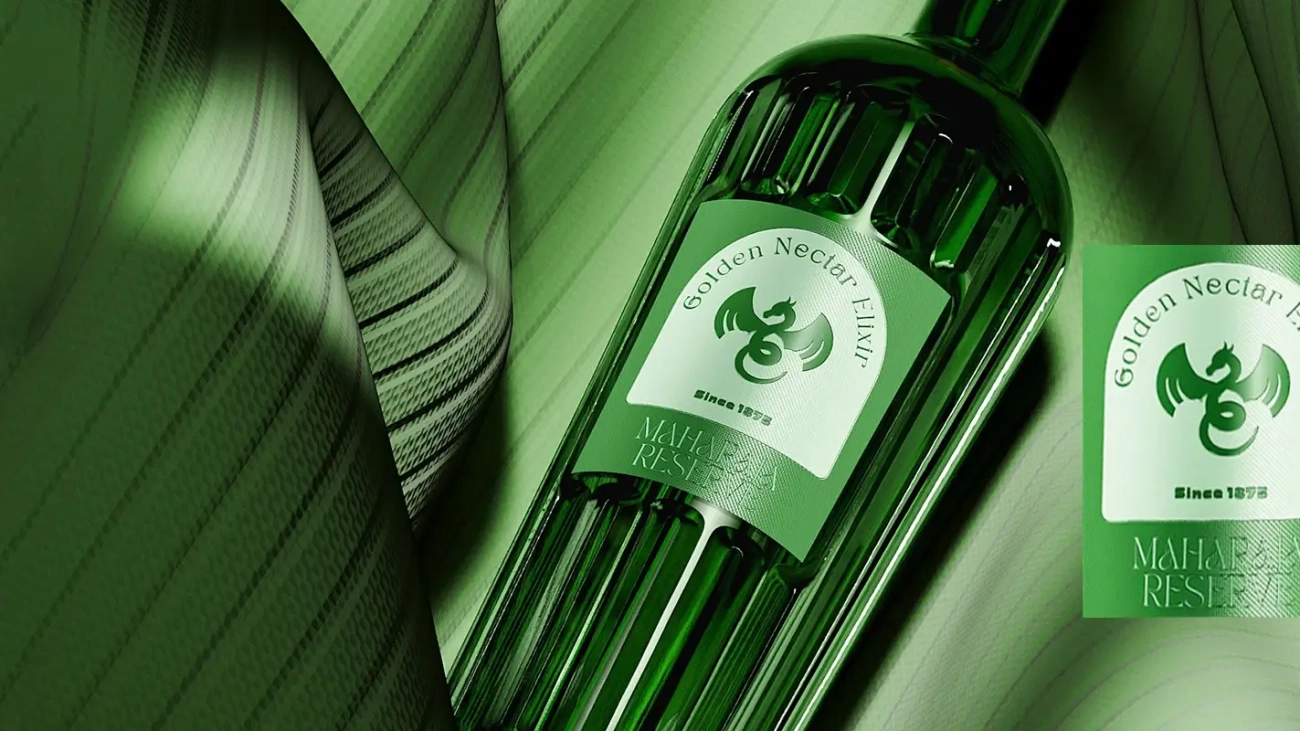
Premium Foil Labels

How Premium Foil Labels Help Brands Increase Product Sales

Key Takeaways:-

  • Foil influences the price tier a shopper mentally assigns before reading anything.
  • Reserving metallic finish for an upper tier signposts higher-margin options instantly.
  • Concentrating foil on one tier costs less and signals more than spreading it across a range.
  • Metallic finish holds depth in thumbnails, which matters for listings and social imagery.
  • Foil is wrong for value positioning, dense labels, and high-contact packaging.
  • FAQs

Foil costs more than flat printing, and the question every brand eventually asks is whether that difference comes back. The honest answer is that it depends entirely on what the foil is being asked to do. Applied without purpose, it adds cost and nothing else.

Applied deliberately, it works through a few specific mechanisms rather than general appeal. Foil printing for premium packaging in the USA affects what a shopper assumes about price, how a range reads as tiered, and how a product performs in photographs. Understanding those mechanisms is what separates a justified upgrade from an expensive habit.

Foil Changes: What a Shopper Thinks a Product Costs

Price perception forms before anyone reads a price tag. Shoppers assign products to a mental tier within a second of seeing them, based on finish quality, restraint in the design, and how considered the packaging appears. Metallic finish is one of the strongest signals available at that moment.

This matters commercially because perceived tier affects whether a higher price feels reasonable or feels like an overcharge. A product priced above its category average with packaging that looks average creates resistance. The same price with packaging that reads as premium feels consistent, and consistency is what lets a buyer proceed without hesitation.

Where this effect is strongest:

  • Categories with wide price spreads, where buyers use packaging to place a product.
  • Products bought infrequently, where shoppers have no price reference to rely on.
  • Gift purchases, where the buyer will hand the item to someone else.
  • Crowded shelves where products make similar claims in similar language.
  • Marketplace listings judged entirely from a thumbnail image.

Tiering a Range So Foil Earns Its Place

One of the most underused applications is internal tiering. Brands with good, better, and best versions of a product often distinguish them only through colour and copy, which asks the shopper to read in order to understand the hierarchy. Most will not read.

Reserving metallic finish for the upper tier makes the hierarchy instant. Custom foil design in the USA used this way does measurable commercial work, because it nudges buyers toward the higher-margin option without a single word of persuasion. The foil is not decorating the range; it is signposting it.

Good, Better, Best Within One Brand

The structure only works if the distinction is disciplined. If every tier carries some foil, the signal disappears, and all you have added is cost across the whole range. The upper tier needs to be visibly different at a glance, not subtly different on inspection.

That usually means one clear element, a wordmark, a seal, a band, rendered in foil on the premium version and printed flat on the others. Brands applying custom foil design across a tiered range tend to keep every other variable identical, so the metallic element is unmistakably the thing that marks the step up.

Restraint protects the economics too. Foil printing for premium packaging applied to a single tier costs far less than applying it everywhere, while delivering more of the effect you actually wanted. The spend concentrates where margin is highest, rather than spreading thin across products that don’t need it.

Foil Performs in Photographs, Not Just on Shelf

A significant share of product discovery now happens through images, marketplace listings, social content, retailer websites, and advertising. Those images are small, scrolled past quickly, and judged almost instantly. Flat packaging often photographs flat.

Metallic finish introduces highlights and depth that survive compression into a thumbnail. Brands investing in custom foil design in the USA frequently find the clearest return online rather than in-store, because the same product photograph works harder in a feed. That return compounds, since one shoot serves listings, ads, and social for months.

Where Foil Does Not Pay Off

Foil is not universally worthwhile, and pretending otherwise would be dishonest. In categories where buyers prioritise function, volume, or value, metallic finish can actively work against the product by signalling a price point the brand is not charging. The packaging then sets an expectation the price contradicts.

It also fails where execution is poor. Foil over broad areas, foil competing with busy artwork, or foil on a substrate that dulls it all produce results that look cheaper than flat printing would have. A good partner says so before quoting; Hart Label approaches foil work this way, advising against it where it will not earn its cost rather than selling the upgrade by default, which is the honesty worth expecting from any label supplier.

Cases where the spend is usually better placed elsewhere:

  • Value-positioned products where premium cues conflict with the price.
  • Labels already carrying dense mandatory information with no quiet space.
  • High-contact packaging where foil will scuff before the product is used up.
  • Ranges with so many SKUs that per-tier distinction becomes meaningless.
  • Products sold primarily by subscription, where packaging rarely influences repeat orders.

Making the Investment Measurable

The way to settle the question is to treat it as a test rather than a belief. Apply foil to one tier, one SKU, or one seasonal edition, and compare performance against the unchanged products in the same range over a defined period. The comparison is imperfect but far better than opinion.

Watch the right signals. Sell-through rate against comparable SKUs, conversion on listings using the new imagery, and whether retail buyers respond differently when the product is presented all tell you something. Foil printing for premium packaging in the USA justifies itself through those indicators rather than through how the sample looks on a desk.

Keep the test clean by changing one thing. If the foil upgrade launches alongside a new formula, a price change, and a fresh campaign, you will learn nothing about the packaging. Isolating the variable is what turns a design preference into a decision you can repeat with confidence.

FAQs

Does foil let a brand charge more for the same product?

It does not justify a price rise on its own. It reduces resistance to a price that already sits above category average by making the packaging consistent with that positioning.

How much foil is needed to get the effect?

Less than most brands assume. A single well-placed element usually reads as more premium than broad coverage, which tends to flatten under store lighting and looks less considered.

Is foil worth it for online-only brands?

Often yes, sometimes more than for retail. Metallic highlight survives image compression, so listing and social photography carries the benefit even without shelf presence.

Weighing a foil upgrade and want a straight answer on whether it fits your category? Email Hart Label your product and positioning, or call 512-388-1144 to discuss where foil earns its cost.

Custom Labels

Why Custom Labels Matter for Growing American Businesses

Key Takeaways:-

  • In-house labelling hides its real cost in staff hours and lost production capacity.
  • Wholesale buyers read label quality as evidence of operational reliability.
  • Desktop printing drifts between batches, fragmenting a brand’s visual identity.
  • The switch usually makes sense once labelling consumes meaningful weekly hours.
  • A first custom run should leave you with artwork, materials, and a repeatable specification.
  • FAQs

Plenty of successful American businesses started with labels printed on a desktop printer or ordered as generic stock with a sticker on top. That approach is entirely reasonable at the beginning. It keeps costs down, allows constant changes, and nobody is scrutinising packaging when volumes are small.

The problem is that it stops working quietly rather than obviously. A custom label company in the USA usually gets its first inquiry from a business that has felt something go wrong without quite identifying it, a wholesale conversation that stalled, a batch that looked inconsistent, or an afternoon lost to printing and trimming again.

Hidden Costs of Improvised Labelling

In-house labelling looks cheap because the obvious costs are small. Paper, ink, and a printer that already exists. What the calculation usually leaves out is time, and time is the most expensive input a small business has.

An hour spent printing, cutting, and applying labels is an hour not spent making products, selling, or handling customers. At low volume, that is tolerable. At a few hundred units a week, it becomes a part-time job that nobody budgeted for and that quietly caps how much the business can produce.

Costs that rarely appear in the comparison:

  • Staff hours spent printing, trimming, and applying labels by hand.
  • Wasted stock from misaligned prints, jams, and cutting errors.
  • Inconsistency between batches as cartridges fade or settings change.
  • Reprints when information changes and existing stock becomes unusable.
  • Opportunity cost of the production capacity that labelling time consumes.

Where Improvised Labels Cost You Business Directly

The indirect costs are worse than the operational ones. Wholesale buyers, stockists, and retail partners read packaging as evidence of whether a business can supply reliably. A label that looks home-produced raises a question about everything behind it, fairly or not.

That judgement happens before any conversation about volume. Businesses moving into custom foil & label design printing in the USA often do so because a buyer asked a question they could not answer, about consistency across batches, about durability in transit, or about whether the packaging would hold up on a shelf alongside established brands.

What Buyers and Stockists Actually Assess

Professional buyers look for signals of operational reliability rather than design flair. Clean edges, consistent application, durable materials, and correct information all suggest a supplier who can deliver repeatedly without problems. Those signals cost nothing to read and carry disproportionate weight.

Durability is assessed too. A label that scuffs in a shipping carton or lifts in a chilled display creates work for the stockist. Businesses using custom foil & label design printing are specifying materials against those conditions, which removes an objection before it is raised.

Consistency Is What Makes a Business Look Established

Customers recognise products through repetition. The same colour, the same proportions, the same position of the name, batch after batch. Desktop printing undermines that quietly, because output drifts as cartridges deplete and settings change between runs.

The effect compounds across a product range. A business selling eight variants printed over several months can end up with eight slightly different interpretations of its own identity. Custom foil & label design printing produced to fixed specifications removes that drift, which is often the single biggest visual improvement a growing business can make.

Knowing When to Make the Switch

The transition point is rarely dramatic. Most businesses cross it gradually and only notice afterward. The clearest indicator is volume; once labelling consumes meaningful weekly hours, outsourcing usually costs less than the time it replaces.

Other triggers are commercial rather than operational. Approaching wholesale, entering retail, or launching a product that will sit beside established brands all raise the standard. Hart Label works with businesses at exactly this stage, helping them move from improvised labelling to specified production without over-engineering the first order, the kind of proportionate advice worth expecting rather than being sold to a programme built for a far larger operation.

Starting small is entirely reasonable. A first proper run does not need every finish option or the largest quantity available. It needs correct materials, a usable artwork file, and a specification that can be repeated.

What a First Custom Run Should Establish

The value of a first order extends well beyond the labels themselves. Done properly, it creates a record that makes every subsequent run simpler: artwork in a usable format, confirmed materials, a die line, and a colour reference.

A custom label company worth working with will leave you holding that record rather than keeping it opaque. Ask what will exist at the end of the job and how a reorder works twelve months later. The answer tells you whether you are buying labels or building a repeatable supply.

Expect questions in return. A supplier that asks about your container, storage conditions, application method, and future product plans is specifying properly. One that quotes from a size and a quantity alone is guessing, and the guess surfaces later as an adhesion or legibility problem you have to live with.

Labels as Infrastructure Rather Than Expense

For a growing business, the shift in thinking matters more than the spend. Labels are not a cosmetic line item applied at the end; they are the point where product quality becomes visible to someone who has not yet tried it.

Treating them as infrastructure changes the decisions. You specify the conditions the product actually faces, document what was used, and build a range that stays coherent as it expands. A custom label company in the USA should support that approach rather than simply fulfilling orders, because the businesses that grow fastest are usually the ones that stopped improvising earliest.

FAQs

At what volume does custom printing become worthwhile?

There is no universal threshold, but the practical test is time. Once labelling occupies several hours a week, the cost of that time usually exceeds the cost of outsourcing.

Do we need a professional designer before ordering custom labels?

Not necessarily. A supplier handling both design and print can work from existing artwork, though files may need preparing to meet production requirements such as bleed and die lines.

Will custom labels lock us into one design?

No. Keeping a master template with defined variable areas lets you change flavours, variants, or seasonal editions without redesigning or restarting the specification each time.

Outgrowing desktop printing or stock labels? Call Hart Label at 512-388-1144 or email your product details and current labelling setup to discuss a first custom run sized to your stage.